
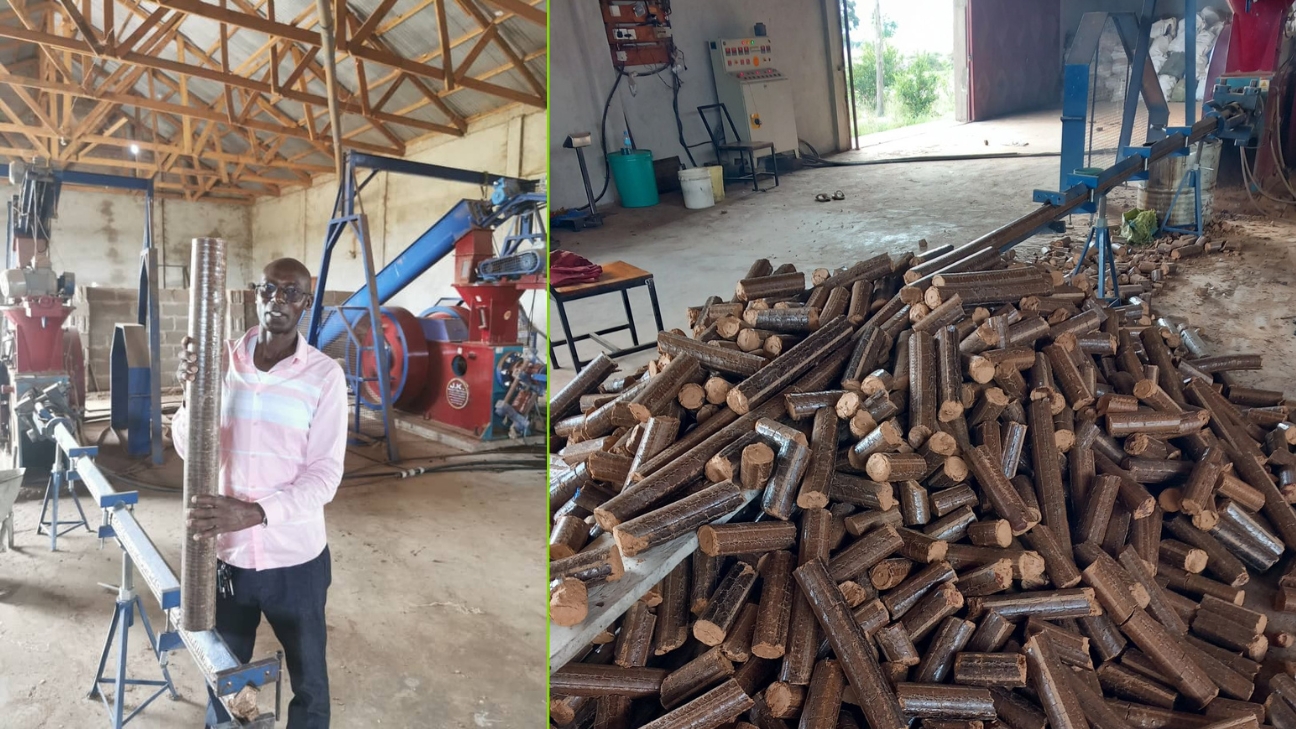
Every day, sawmills and timber yards around Mwanza, and accross the Lake Zone, produce sawdust and wood shavings. Most of it gets burned in the open or dumped. At Chabri Energy, we turn it into cooking fuel. Here is how wood briquettes are made, step by step.
1. Collect
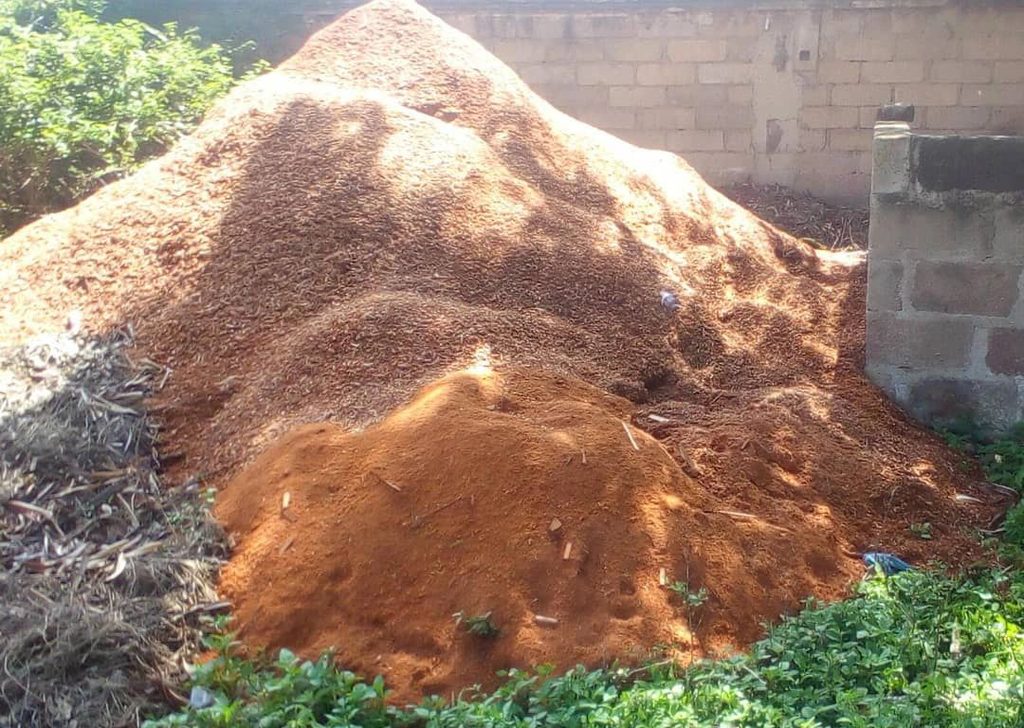
The main raw material is sawdust and timber waste from sawmills and yards in the region, along with agricultural waste from nearby markets. When we visited our suppliers, the material was available in large quantities, and it was already being thrown away.
That is why the fuel can be priced like charcoal. We are not buying trees. We are collecting what is already there.
2. Dry
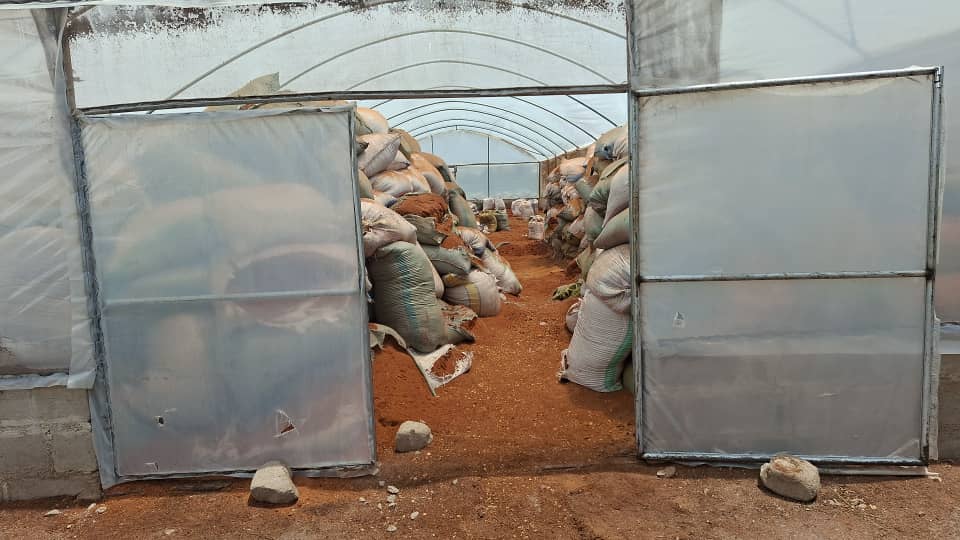
Wet fuel burns badly. It smokes, it wastes energy, and it frustrates the cook. So the material is dried before it goes near the press. For years we have dried it in greenhouse dryers, which are more efficient than drying in the open sun. The material dries faster and is protected from rain.
We are now installing a mechanical dryer, designed to handle more than 10 tons a day. It takes weather out of the equation, which matters most when orders grow.
Good briquettes are made or lost at this step.
3. Compress
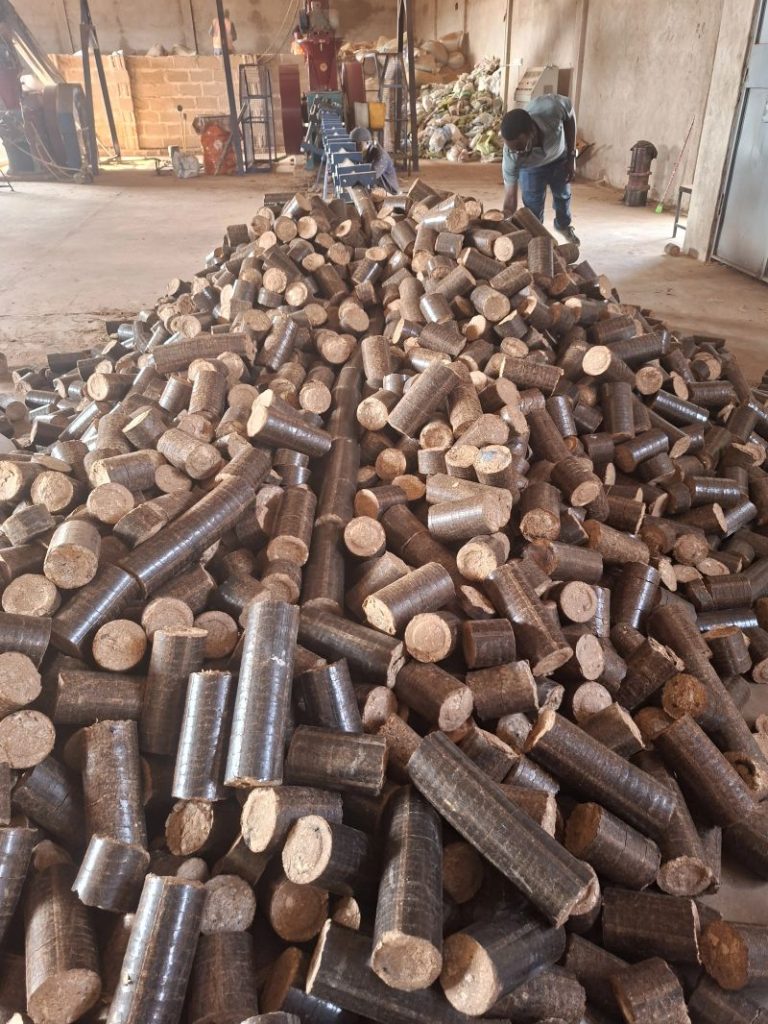
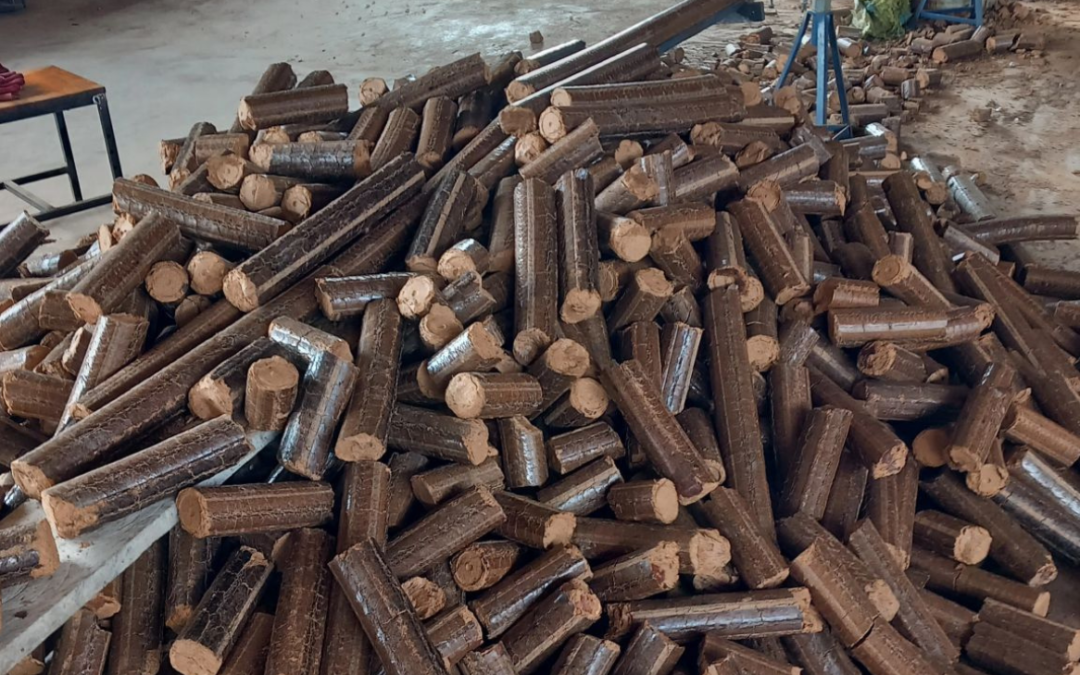
Dry material is fed into the press, which compresses it into dense, uniform logs under high pressure.
We use binderless technology. Nothing is added to hold the briquette together. The pressure does the work, so what you burn is wood waste and nothing else.
Density is the whole point. More energy in the same volume means a longer, steadier burn than loose charcoal, with less smoke.
4. Cool and pack
Fresh briquettes are cooled, then bagged for delivery. Quality is checked before anything leaves the facility.
5. Deliver
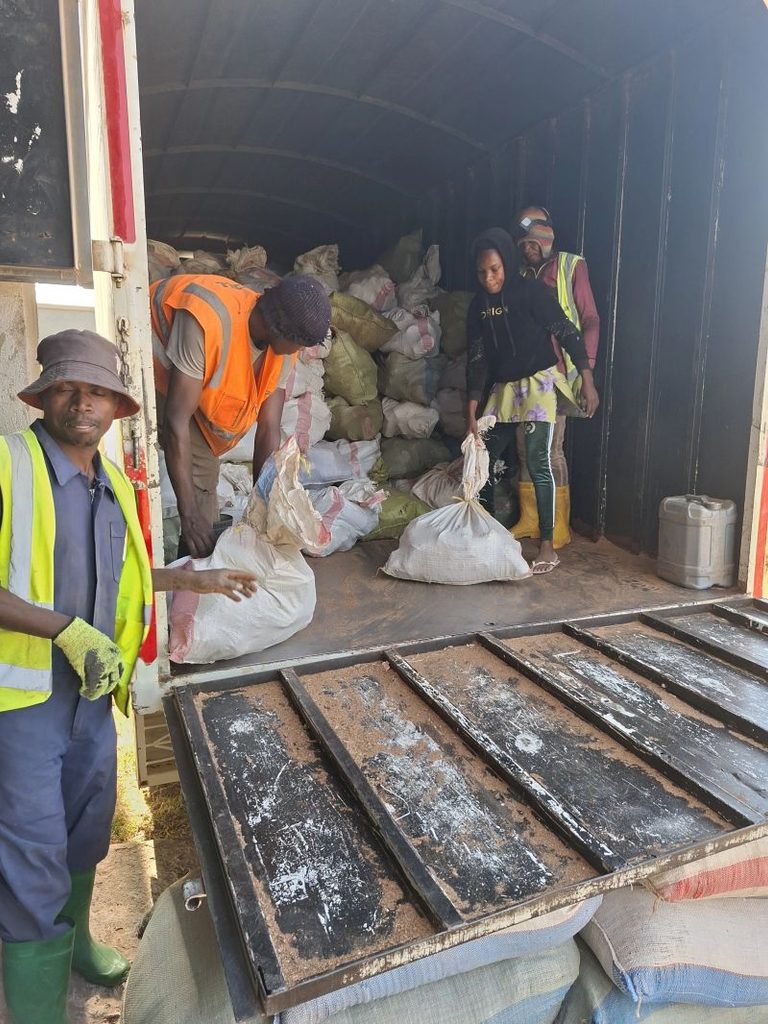
From our facility in Kisesa, the KuniSMART briquettes go out to schools, food businesses, prisons, and households across the Lake Zone. Delivery is part of the product. A fuel that arrives late is worth little to a kitchen that has to cook today.
What is hard about it
Making fuel at this scale is not glamorous. Drying takes time. Power interruptions slow the machines. Transport adds cost at every kilometre.
Customers also want to buy on credit, while we have to buy raw material and pay wages in cash. None of this is unusual for a manufacturer. It is simply the part of the story that rarely makes it into photographs.
Who does the work
Between 10 and 15 people work at the facility, depending on production. Many are young mothers and youth from the surrounding community. The wages stay local. So does the supply chain, from the sawmill that gives us the waste to the school that burns the fuel.
Nothing in this process is exotic. A waste material, a dryer, a press and a delivery truck.
That is the point. A fuel that can be made this simply, from what is already here, does not depend on anything we cannot control. For your interest, we published a comparison of our product, KuniSMART against charcoal, firewood and LPG, across the dimensions institutional and household buyers actually weigh. You can read it here.
— Bernard Makachia, Mwanza
0 Comments